Law & Order: SVU Faces Criticism Over Transgender Storylines
In recent months, Law & Order: SVU has come under fire from some viewers who claim the long-running crime drama has become “too woke” for featuring episodes about transgender characters. Yet the numbers tell a different story. Across 27 seasons and more than 500 episodes, only seven have centered on trans storylines—barely over one percent.
Representation Remains Rare
Despite the criticism, transgender characters are still uncommon on SVU. When they do appear, they are most often portrayed as victims. The imbalance raises questions about how representation shapes public perception.
A turning point came with the season 17 episode “Transgender Bridge” in 2015. It told the story of Avery, a transgender teen killed in a confrontation with bullies. While Avery was given a loving family and moments of warmth, the narrative focused heavily on the boy responsible for her death. He was depicted as remorseful and talented, while Avery remained largely undefined beyond her victimhood.
At the time, the episode marked progress compared to earlier portrayals, but it also reinforced a troubling pattern: trans characters are frequently reduced to their trauma rather than developed as full people.
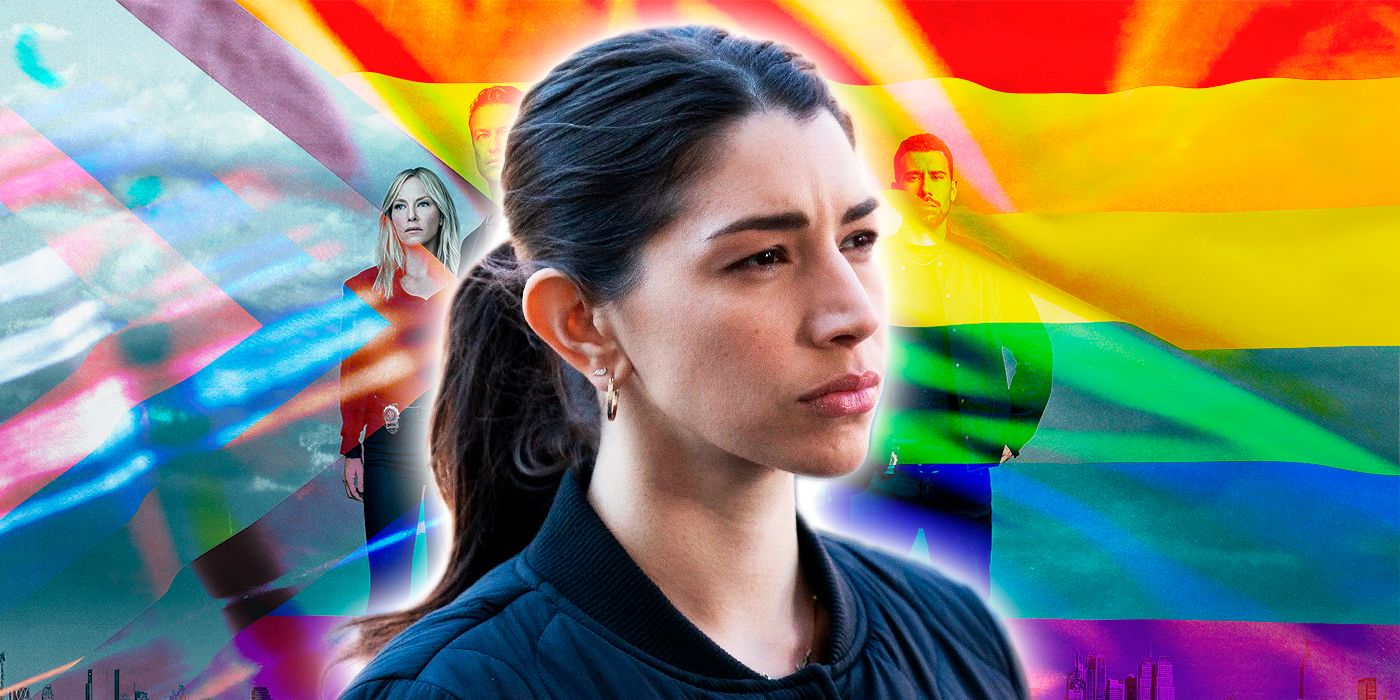
When Victimhood Dominates
Storytelling choices like these send complicated messages. For general audiences, they reinforce the idea that trans lives are tragic by default. For transgender viewers, the impact can be even more harmful. With high rates of depression and suicide already facing trans youth, constantly seeing their identities linked to violence or death on television risks compounding feelings of isolation.
This is not to say SVU intends harm. Writers have explained that episodes like “Transgender Bridge” aimed to spark difficult conversations about bullying and prejudice. However, by rarely showing transgender people as anything other than victims, the show may unintentionally strengthen stereotypes it hopes to challenge.
A Chance for Change
Over nearly three decades, Law & Order: SVU has evolved in its approach to LGBTQ+ issues, and progress is evident. Still, critics argue that it’s time for another step forward. Instead of limiting trans characters to crime victims, why not portray them as detectives, lawyers, witnesses, or family members?
Doing so would align with SVU’s broader mission: telling stories that highlight injustice while also affirming the humanity of survivors. At a time when transgender rights are being debated in legislatures across the U.S., television has an opportunity to broaden visibility and understanding.
Opening the Conversation
Whether cisgender or transgender, longtime viewer or casual fan, audiences have a stake in how these stories are told. Representation matters, and so does the way it’s framed.
Law & Order: SVU has the platform to help shape cultural dialogue. By moving beyond the victimhood narrative, the show could tell richer stories while staying true to its legacy of addressing the toughest issues head-on.