AFTER YELLOWSTONE’S FINALE, THE STORY IS FAR FROM OVER
Kevin Costner’s John Dutton may have exited for good, but Yellowstone’s finale only fueled the appetite for Taylor Sheridan’s brand of neo-Western drama. Few franchises reinvent themselves as gracefully as this one, and fewer still do so without losing their soul. Sheridan’s universe feels less like corporate sprawl and more like deliberate mythmaking, grounded in timeless battles over land, family, and survival.
Building a Western Mythology Across Generations
Each spinoff recontextualizes the Dutton story. 1883 delivered a raw account of frontier migration, while 1923 placed the family against global upheaval, from Prohibition to post–World War I struggles. Next comes 1944, which will thrust the ranch into World War II turmoil, and The Madison, a modern take on Western identity. Sheridan also expands sideways with Y: Marshals and Dutton Ranch, ensuring that the mythology is both continuous and diverse. His vision stretches centuries, yet every thread ties back to the same questions: who controls the land, and what price do they pay to keep it?
Continuity Without Redundancy
Sheridan avoids the trap of empty spin-offs. Each new show grows naturally out of the Dutton saga. Where other franchises rely on brand recognition, Sheridan’s expansions feel additive, not exploitative. 1944 will pit the ranch against the upheaval of a nation at war, while The Madison suggests the universe can survive beyond the Duttons themselves. Paramount’s confidence in projects like Y: Marshals shows that Sheridan has built not just a hit show but a cultural framework.
Characters at the Core
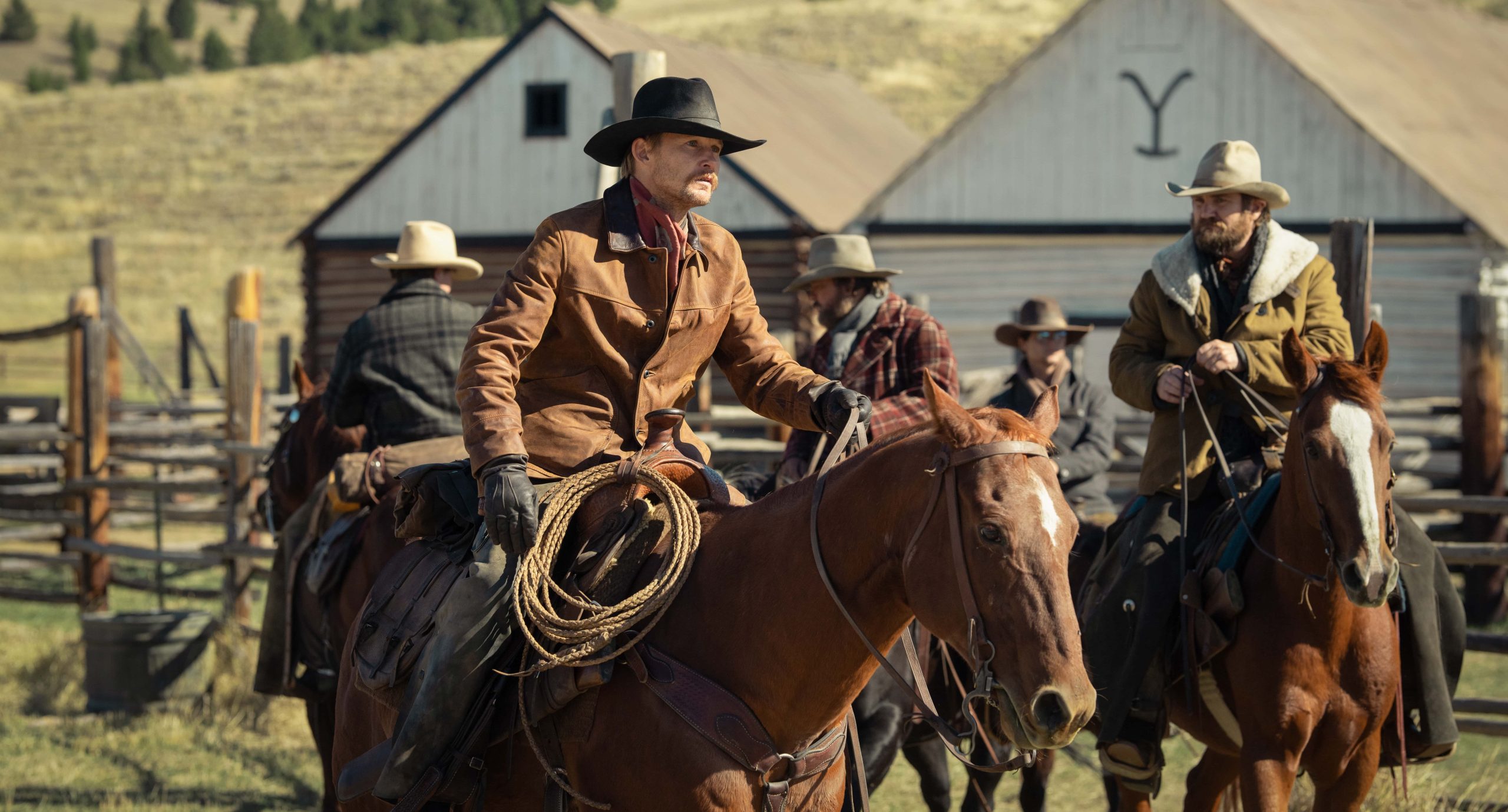
Spectacle matters, but characters make the Yellowstone world endure. Beth Dutton’s volatility, Rip Wheeler’s quiet loyalty, and Kayce’s inner battles keep audiences hooked. Even the prequels anchor themselves in individuals: Elsa Dutton’s narration gives 1883 its heart, while Spencer and Cara drive the emotional stakes in 1923. Sheridan understands that history only resonates when filtered through flawed, multidimensional people.
Sheridan’s Formula for Longevity
Rather than chasing trends, Sheridan deepens a mythology that already resonates with fans. His prequels root the Duttons in pivotal eras of American history, while his spin-offs push familiar characters into new arenas. The result is a franchise that feels cohesive yet expansive. Sheridan proves that longevity in television doesn’t require reinvention but consistency, integrity, and respect for the audience’s intelligence.
Yellowstone may have closed one chapter, but its universe continues to thrive. Sheridan has crafted a saga that mirrors America itself: timeless yet timely, haunted by the same questions of loyalty, power, and survival. As the Duttons ride across centuries, audiences recognize not only their story but fragments of their own.